
HEATWAVES IN INDIA

Across the globe, hot days are getting hotter and more frequent, while we’re experiencing fewer cold days.India this year experienced its hottest March in 12 decades of records, and one of its driest. Next came the third-hottest April, after 2010 and 2016. Then it got even hotter.
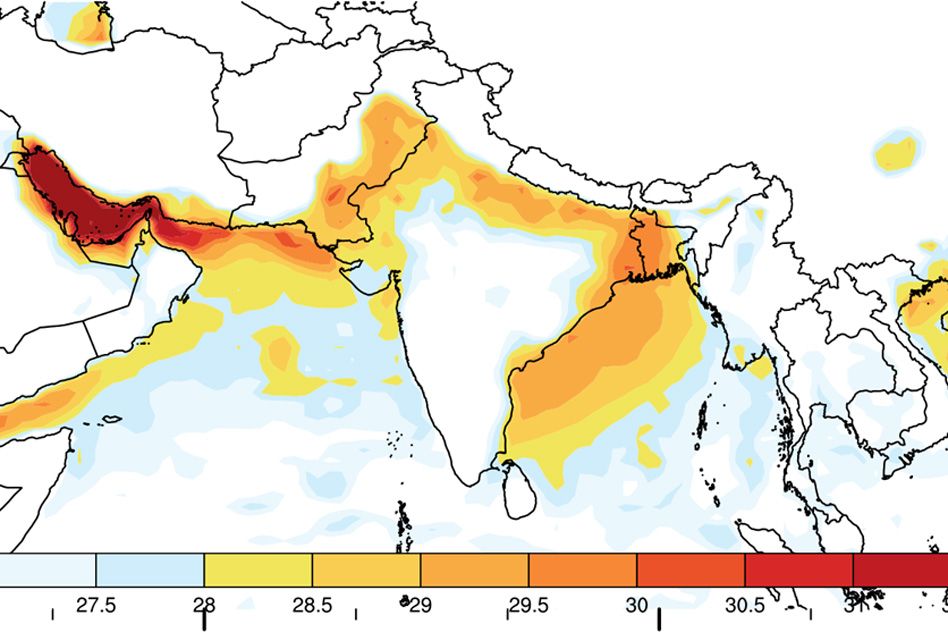
What is heatwave and how is it monitored?
A heatwave is declared for plains when the temperature soars past 40C and is at least 4.5C above normal while it is declared an extreme heatwave when the temperature is 6.5C above normal.
Mainly occurring from March to June, it is a condition of air temperature which becomes fatal to the human body when exposed, says the Indian meteorological department (IMD).
The met department has a big network of surface observatories across the country that measure meteorological parameters like temperature, relative humidity and pressure.
Heat waves are more dangerous when combined with high humidity. The combination of temperature and humidity is measured by the heat index. A recent study projects that the annual number of days with a heat index above 100 degrees F will double, and days with a heat index above 105 degrees F will triple, nationwide, when compared to the end of the 20th century.
Thermometer readings have already reached 46 degrees Celsius (115 degrees Fahrenheit) in central and northern India, with two months to go before the monsoon season that typically brings cooling rains. They hit the highest since 1901 last month. The heat has tested power grids as air conditioners run on full blast and threatened wheat crops. Local authorities are implementing action plans to manage health risks and even deaths,
While heatwaves are common in India, especially in May and June, summer began early this year with high temperatures from March itself - average maximum temperatures in the month were the highest in 122 years. Heatwaves also began setting in during the month.
REASONS OF HEATWAVES IN INDIA
1.The reason behind early heat waves, early depressions and the weird dust storms is the continued persistence of a north-south low pressure pattern that forms over India during winters when a La Niña phenomenon is occurring in the equatorial Pacific Ocean.
2.The major one was weak western disturbances - storms originating in the Mediterranean region - which meant little pre-monsoon rainfall in north-western and central India. Anticyclones - an area of high atmospheric pressure where the air sinks - also led to hot, dry weather over parts of western India in March.
3. The effects are visible. Farmers say the unexpected temperature spikes have affected their wheat harvest, a development that could potentially have global consequences given supply disruptions due to the Ukraine war.
4.The heat has also triggered an increase in power demand, leading to outages in many states and fears of a coal shortage...
New Delhi saw an average maximum April temperature of 40.2° Celsius (104.4° Fahrenheit),Global temperatures have climbed 1.2° Celsius since the mid-19th century. So when someone asks the question, “Did climate change make this or that heat wave hotter?” the answer is almost invariably yes. “The number of heat waves is directly in response to global warming,” says Roxy Mathew Koll, a climate scientist at the Indian Institute of Tropical Meteorology who has looked at 70 years of data.
Effects-
Human beings
Thousands of people suffer from heat stress where their bodies absorb more heat than they can expel.
Depletion of salt and electrolyte in the body may cause heat cramp.
Thousands of deaths from hypothermia.
Elevated ozone concentration irritates the mucous membrane and causes illness of the respiratory system.
Heat can cause heatstroke, sunstroke or circulatory collapse.
The most common human response to extreme heat is dehydration
A heat wave is a danger because heat and sunlight may over heat the human body.
Heat stress -livestock
Animals can suffer the effects of heat stress as well.
When there is not enough shade or water for animals, they may change their behavior.
Animals will look for shelter from the heat under trees or near bushes, start sweating and panting, drooling, drink more water and have a reduced appetite for food.
Agriculture and crop
Dry and hot weather causes no precipitation. This can result in dryness or even drought.
Plants are no longer growing and, in the worst case, they completely wither.
Under such conditions agriculture suffers enormous damage and harvest loss.
Severe heat waves could damage crop results in crop failure.
As plants start die from the effect of heat wave, the threat of bush fire increases.
Psychological and sociological effects
Power outages
Wildfires
Physical damage
roads and highways to buckle and melt
water lines to burst
power transformers to detonate, causing fires.
How does the heatwave impact health and how to protect yourself?
According to the National Disaster Management Authority of India, the health impact of heatwaves typically involves dehydration, heat cramps, heat exhaustion and heatstroke.
The Ministry of Health recommends the city residents to take the following measures to stay safe:
Stay indoors and in shaded places
Wear thin loose cotton, light-coloured clothes
Drink water and salted drinks and stay hydrated
The Indian meteorological department (IMD) intensified its alert level from yellow to orange in Delhi, warning an increased likelihood of heat illness symptoms among people who are exposed to the sun for a long period.
The IMD also issued orange alert level in four other Indian states including Rajasthan, Haryana and Uttar Pradesh in the north and Odisha in the southeast, as the extreme heatwave swept through the vast swathes of the country.


.jfif)




0 Comments